
Leadership and Management: Why Strong Managers Still Need Leadership
Managers organise work, allocate resources and take responsibility for delivery. They also need to build trust, explain decisions and help people respond when circumstances change. Leadership and management overlap in these everyday responsibilities.
What do leadership and management mean?
Management involves planning work, organising people and resources, monitoring progress and solving problems so that an organisation can deliver reliably.
Leadership involves influencing people towards a shared purpose. It draws on judgement, communication and trust to help people understand the direction and take responsibility.
David Gilbert-Smith MC, founder of Leadership Trust, described leadership as:
“Winning the hearts and minds of people to achieve a common purpose.”
That definition remains central to Leadership Trust’s approach.
For a broader exploration of leadership qualities, styles and behaviours, read our guide to what leadership is. To understand how leadership capability develops over time, see what leadership development is.

What is the difference between leadership and management?
The distinction is one of emphasis. These responsibilities often belong to the same person:
Management tends to focus on:
Planning budgets and resources
Organising work, staffing and responsibilities
Monitoring delivery and solving problems
Maintaining reliable processes
Leadership tends to focus on:
Setting direction and explaining purpose
Building trust and commitment
Supporting people and employee engagement
Shaping culture and guiding change
Effective managers need both. A sound plan matters, as does the way people are involved in delivering it.

Management vs leadership in the workplace
Imagine a team facing a shorter deadline. The manager revises the plan, allocates resources and checks what can realistically be delivered.
Leadership is also needed in that conversation: explaining the priorities, listening to concerns and making it possible for people to flag problems early. The same person combines practical coordination with the judgement to recognise when the plan needs to change.
Leadership in management
Leadership in management is the ability to guide, influence and support people while still fulfilling the responsibilities of a management role.
A manager may have authority to assign work, but how they explain a decision, respond to disagreement and support their team affects whether people trust their judgement and take responsibility.
This is where communication skills and emotional intelligence become essential. Effective communication involves more than giving instructions. It means listening properly, reading the room, asking better questions and helping people understand what is needed from them. For more on this, read our article on active listening.
Developing leadership: the Leadership Trust approach
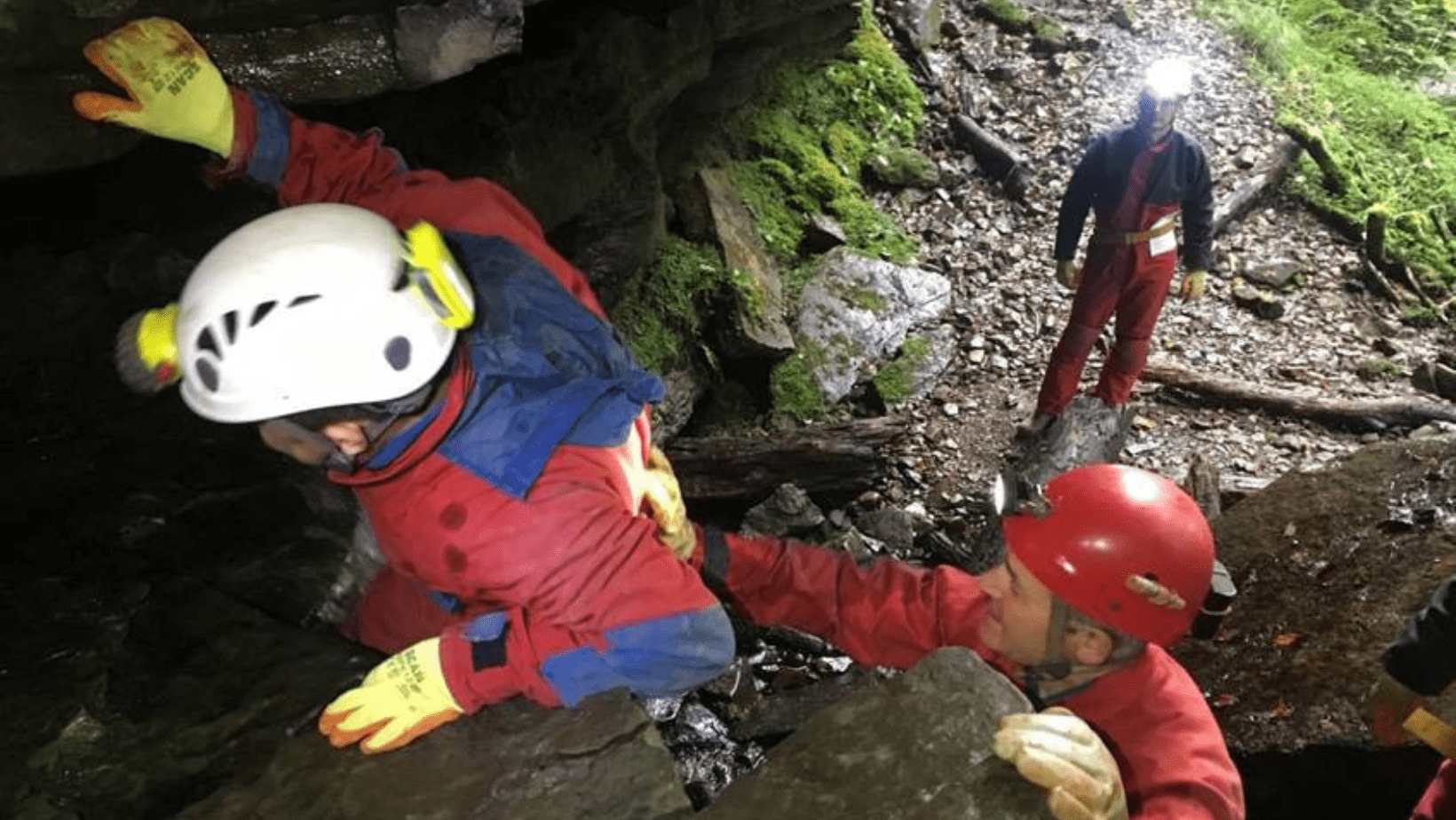
At Leadership Trust, our Leadership in Management programme centres on self-awareness, shared learning and behavioural insight. Since 1975, we have helped managers and senior leaders lead with greater confidence, clarity and impact. You can read more about that history in our piece on 50 years of Leadership Trust.
Leadership Trust’s approach uses experience, review and feedback to help people understand how they lead in real situations.
Carefully managed activities place participants in unfamiliar situations where their responses become visible. The purpose is to understand what happens to their judgement, communication and behaviour when circumstances change.
Coaching, peer review and 360-degree feedback can support this process. These provide further perspectives on the behaviours a manager wants to develop.
For leaders who want individual support with this process, leadership coaching can help turn greater self-awareness into clearer action.
In shared discovery, participants review what happened and compare their own intentions with other people’s experiences. A leader may discover that an attempt to help felt like taking over, or that their silence was interpreted as disagreement. Feedback gives them something specific to practise differently.
Leadership, culture and organisational change
Leadership directly affects organisational culture. The way leaders behave shapes what people believe is acceptable, what they prioritise, how openly they communicate and how confidently they respond to change.
Bringing leadership learning back into the workplace
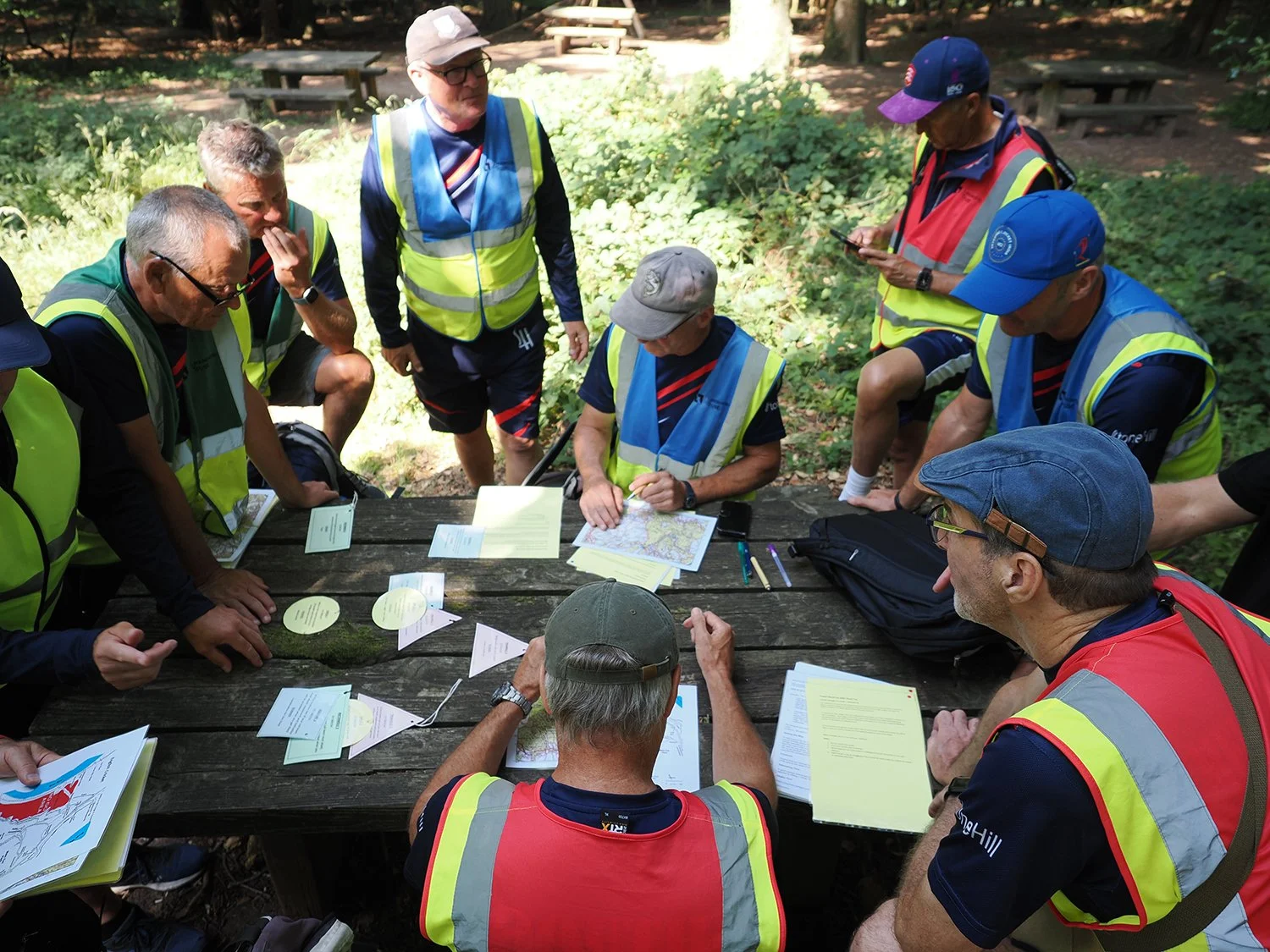
Leadership development has the greatest value when it transfers into day-to-day work.
Reflection, follow-up and continued development help participants connect their learning with the realities of their teams. The next step is to practise a different response at work, seek feedback and review what happens.
This supports personal growth, stronger team dynamics and better organisational effectiveness. For organisations seeking to improve leadership across wider groups or functions, our work with teams and organisations extends development beyond the individual leader.
Developing better leaders and managers
Leadership Trust helps managers and senior leaders develop through experience, self-awareness and behavioural change.
Explore examples of the impact this work has had on our results page, or view our leadership development programmes to find out how we can support your managers and senior leaders.
