

50 Years of Leadership That Lasts a Lifetime
From SAS roots to global impact – discover how the Leadership Trust became one of the UK’s most transformational centres for leadership development.
The 1970s - The vision begins
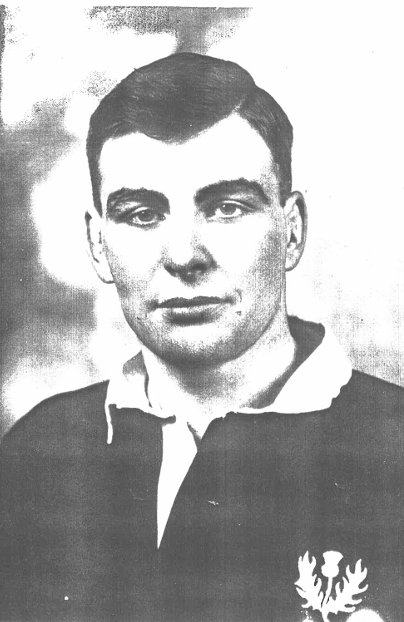
1975 - Leadership Trust is founded.
Ex-SAS Major and international rugby player David Gilbert-Smith founds the Leadership Trust with a bold vision: to create a centre of excellence for leadership development in a United Kingdom suffering economic decline and social discord. He believes that leadership should be built on confidence, emotional insight, and ‘personal power’ – not command and control.
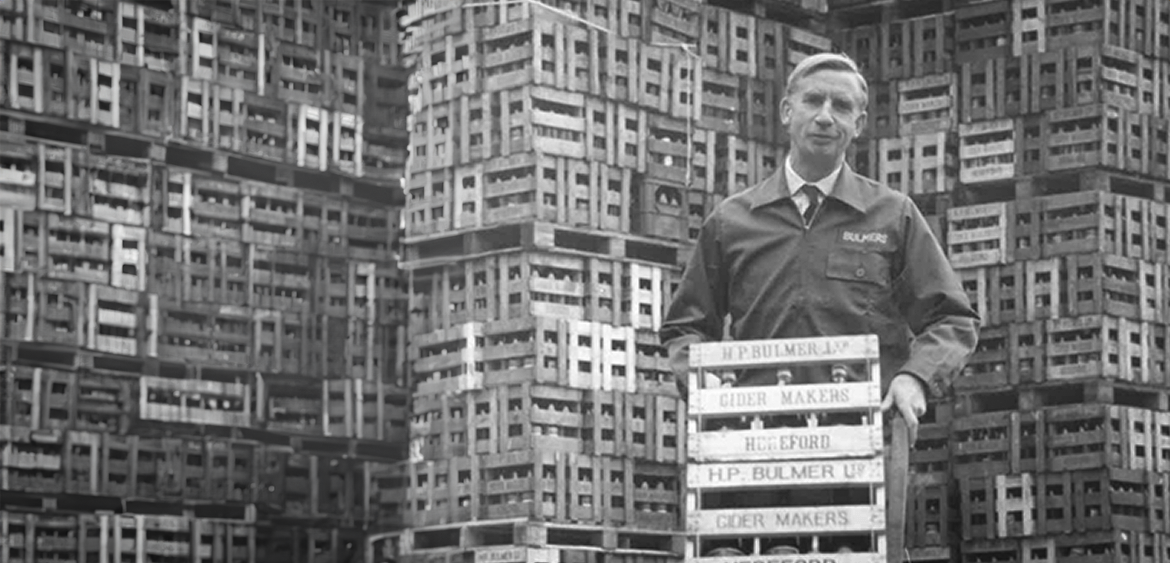
1976 - The first Leadership in Management programme.
With sponsorship from cider company H.P. Bulmer, the first Leadership in Management programme is launched. This partnership allowed the Leadership Trust to create a unique leadership programme focused on practical, experiential learning rather than classroom theory – a radical shift at the time.
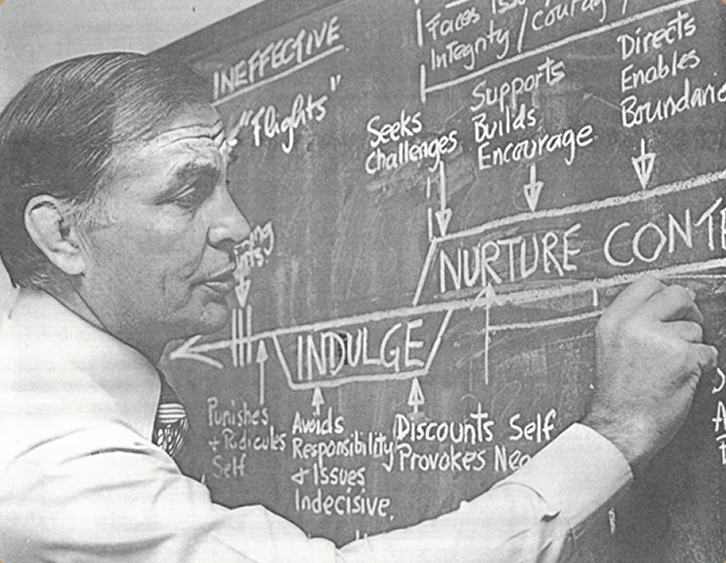
1977- 360 delegates. 114 organisations.
The response is immediate and impressive. Attracted by its dramatic impact, companies flock to the new approach, and the Leadership Trust quickly grows in scale and influence.
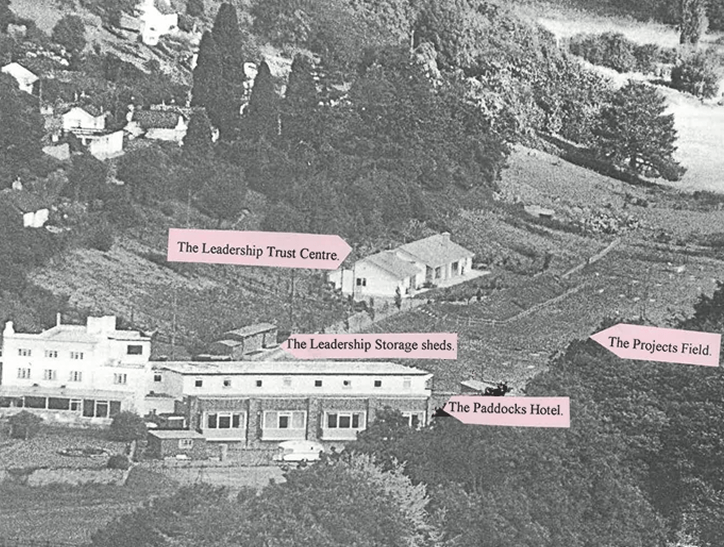
1978 - Leadership Trust becomes fully independent.
Now operating as a non-profit with its own staff and facilities, the Leadership Trust stands on its own.
The 1980s - Establishing a centre for excellence
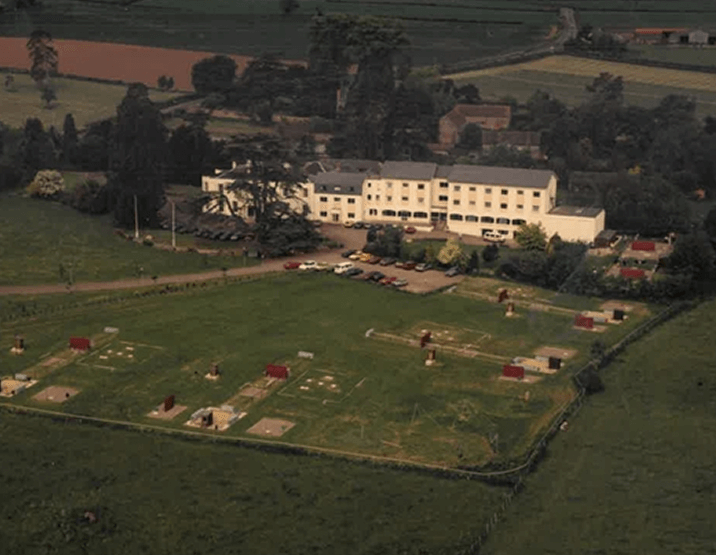
1985 - Penyard House becomes the new home.
After outgrowing two hotel venues in Herefordshire, Leadership Trust purchases its own residential estate - creating a dedicated environment for development that is removed from the noise of normal working life.
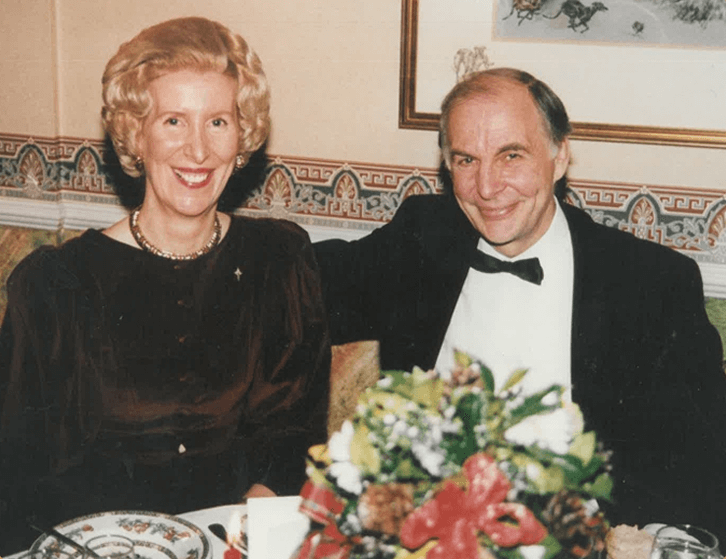
1986 – Janet Richardson joins
Behavioural psychologist Janet Richardson joins the team and soon after marries David Gilbert-Smith. She co-develops the Spectrum model and brings psychological depth to the Leadership Trust’s experiential methodology. Her influence makes the programmes more informed, personable and rooted in emotional self-awareness.
1988 – Richard Westbury MBE becomes Deputy Chief Executive
Richard, a decorated former SAS officer, is appointed Deputy Chief Executive of the Leadership Trust. His extensive experience in international operations and leadership make him a natural fit to help steer the Trust’s growth between 1988 and 1991.
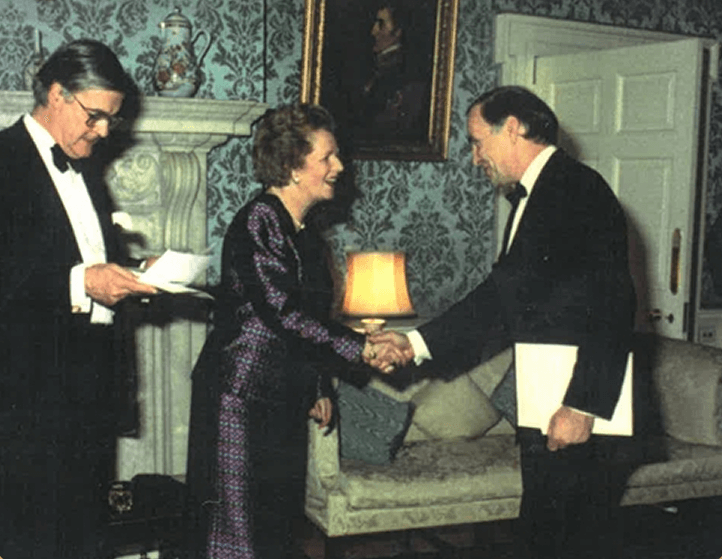
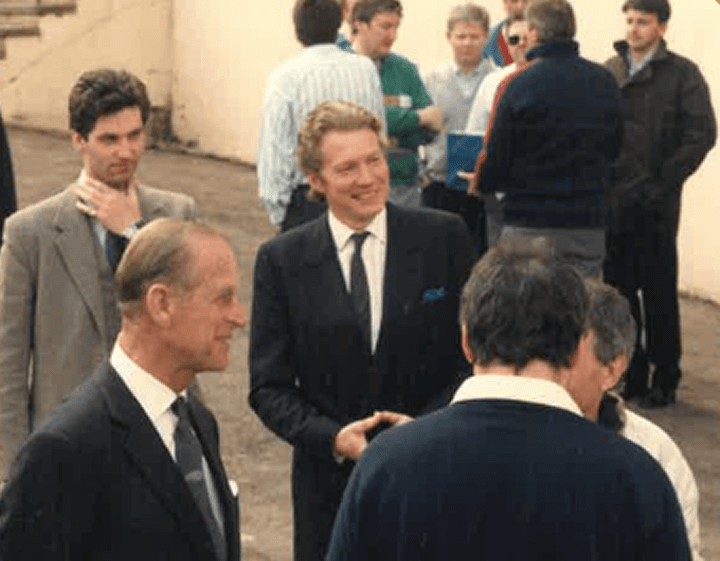
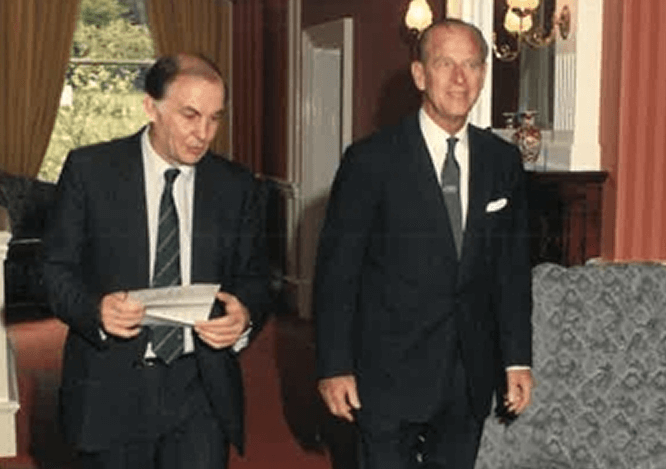
1989 – Royal visit & Dinner at Number 10
HRH The Duke of Edinburgh visits Penyard House. David Gilbert Smith is also invited to dine with Prime Minister Margaret Thatcher to discuss leadership education in Britain.
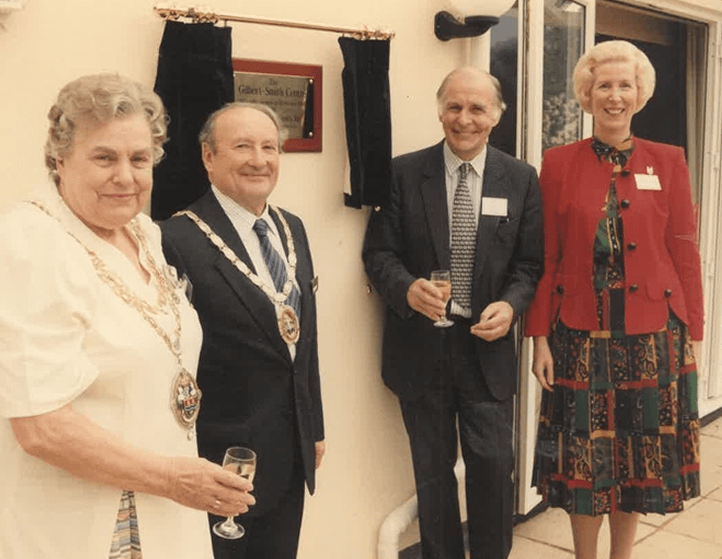
1980s ethos:
The Leadership Trust rejects authoritarian models, emphasising pressure-tested decision-making, emotional intelligence and leadership as a responsible choice rather than a position on the org chart.
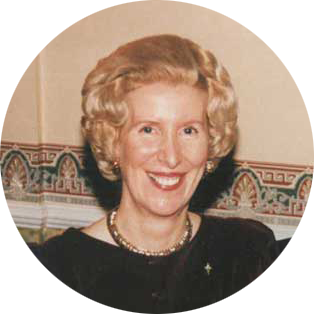
“Leadership begins with self-awareness – when you understand your own patterns, you gain the power to change everything around you.”
Janet Richardson
The 1990s - Expanding influence, deepening Impact
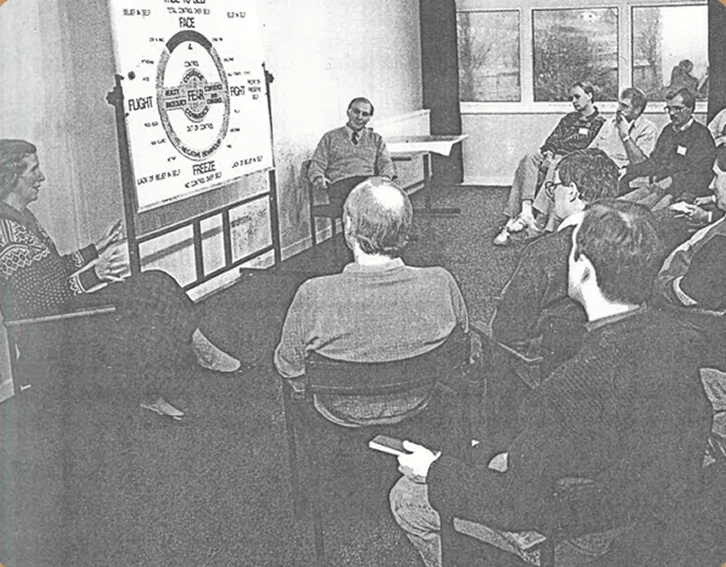
1992 – Serving 600+ organisations and 2,000 delegates annually
International partnerships grow alongside domestic demand. The Leadership Trust’s approach resonates far beyond British boardrooms.
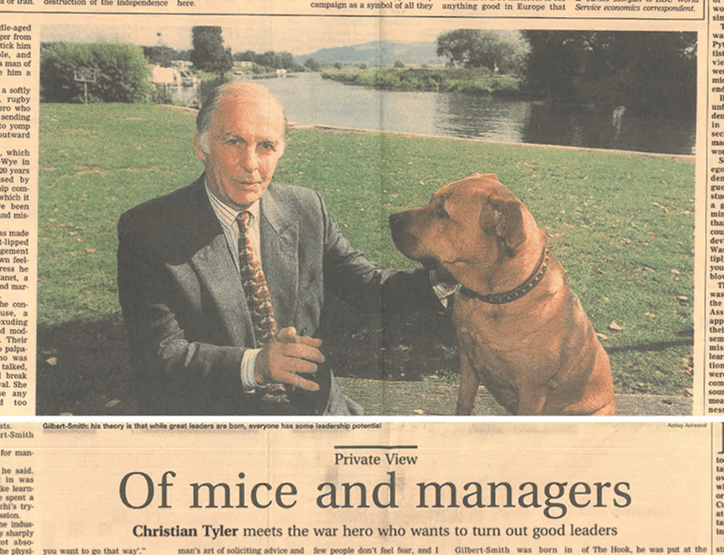
1993 - David Gilbert-Smith retires as Chief Executive.
Leaving behind a multimillion-pound organisation, his legacy is a thriving institution built on values, not hierarchy.
1996 – Financial Times interview emphasises emotional leadership
David Gilbert-Smith states: “If we can be in touch with our feelings... we can handle other people’s emotions as well.”
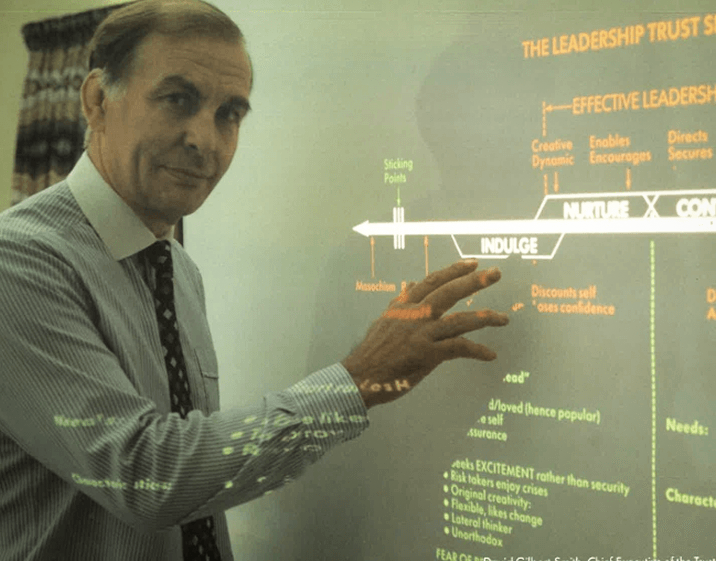
1990s continuity:
Spectrum and experiential learning remain the core; the Leadership Trust expands into new sectors and global contexts.
“We needed people who were culturally aware and able to grasp the intricate dynamics of working with highly experienced, senior people in India. We chose the Leadership Trust and I am delighted at the choice.”
Sanjaya Singhal, Chairman Secure Meters
The 2010s - Enduring relevance.
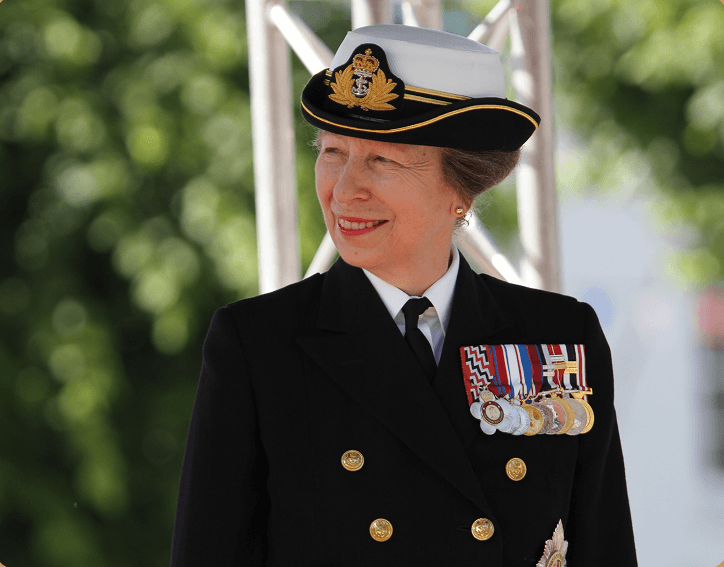
2010 – Visit from HRH The Princess Royal
Another royal endorsement of the Leadership Trust’s continued significance.
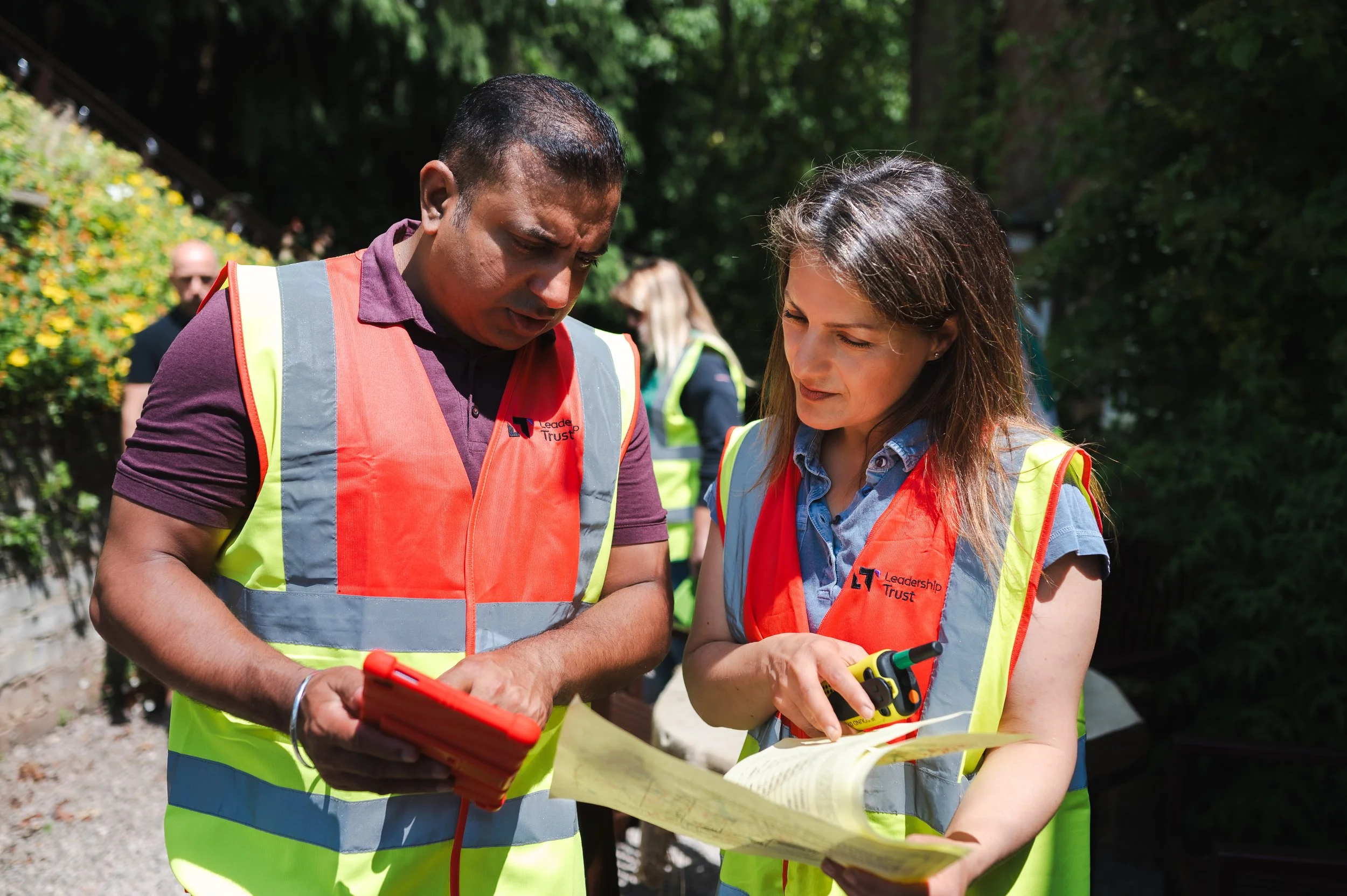
2010 – Launch of a broader portfolio
In response to client demand and our own research, we create a series of three-day residential courses on Change, Strategy Implementation, Foundations of Leadership and Personal Impact. Much of the material developed remains the platform for bespoke course creation to this day.
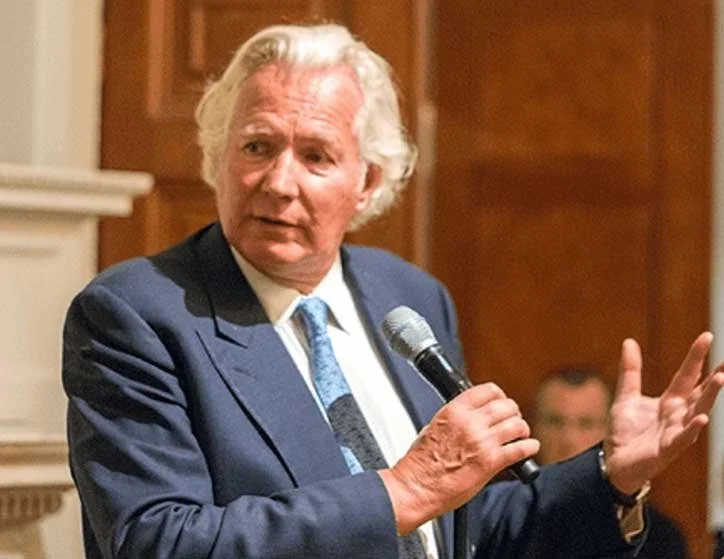
2015 – Leadership Trust joins the Chelsea Group
Led by former SAS officer and Course Director, Lord Westbury MBE, Richard returned decades later to acquire the Leadership Trust as part of the Chelsea Group. A passionate believer in the life-changing impact of the programmes, he ensured its legacy would continue and expand globally.
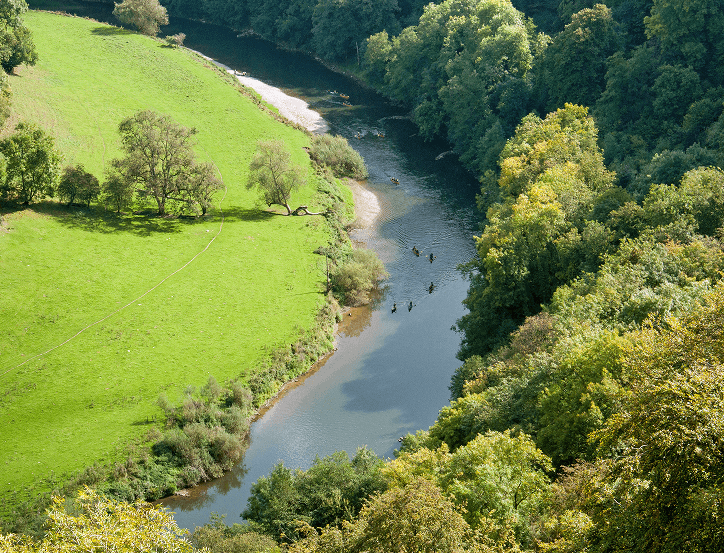
Legacy in action:
The daughters and sons of some early users of Leadership Trust are regularly signing onto our programmes. Leadership Trust has become a family tradition as well as a dependable ‘rite of passage’ for businesses.
“The very fact that the world is changing at breakneck speed makes the philosophies and practice of Leadership Trust indispensable to businesses that want to thrive amidst all this uncertainty.”
Richard Westbury, Chelsea Group Chairman
The 2020s - A new chapter begins

2020
The Covid-19 pandemic hits and businesses are forced to adapt around the world. The Leadership Trust teams develop their virtual experiential learning style and continue to run high impact programmes in 30+ countries, including with clients in a taxi crossing the River Nile in Cairo.
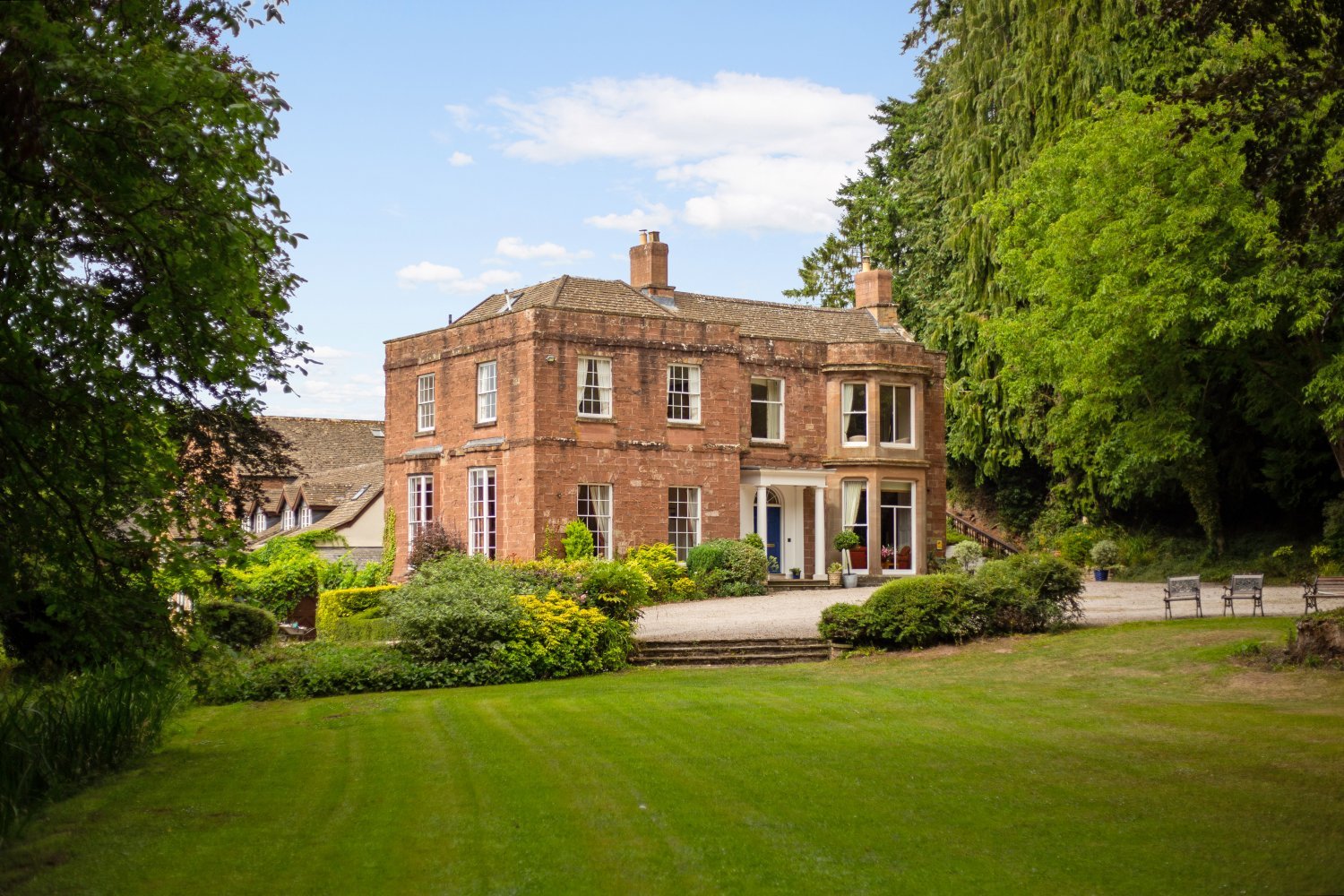
2023 – New home: Chelsea Parkfields
Chelsea Parkfields, a country house in Herefordshire, becomes the Leadership Trust’s new residency — a tranquil retreat for deep leadership work. The surrounding valleys provide the perfect backdrop for experiential activities. Residential programmes are hosted here and others delivered in locations worldwide, from Europe and Asia to Africa and the Middle East.
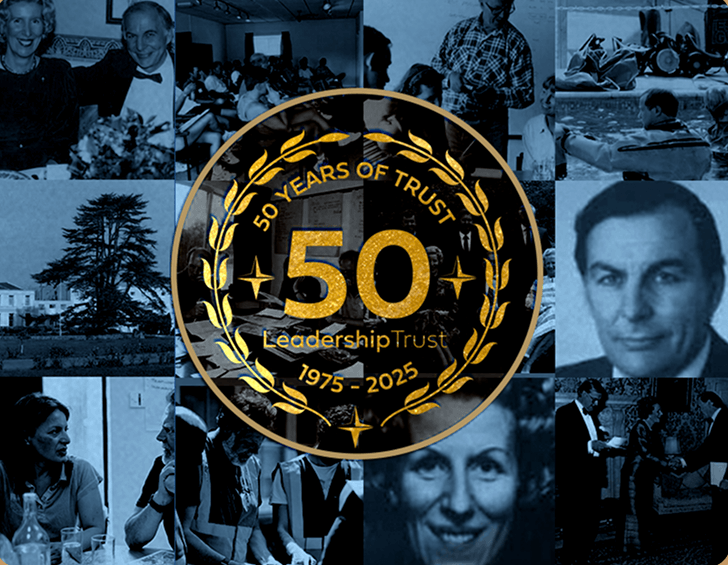
2025 – Celebrating 50 years of impact
More than 70,000 leaders have taken part in the Leadership Trust’s programmes. This milestone is a moment to honour our heritage — grounded in authenticity, emotional intelligence, and experiential learning — and to look ahead, continuing to shape leadership that lasts.
“We’re not just revealing people’s potential for transformative leadership for them, we’re in the business of changing organisations’ prospects for the better.”
The story continues.
If you want to be part of the next chapter - as a leader or an organisation - start with a conversation.
Sinead Daly
Global Business Manager
T: +44 (0)1989 240021
Damian Sherrard
Global Business Manager
T: +44 (0)7968 429912