

Fifty years of helping leaders see themselves clearly.
Here is how it happened.
The 1970s - The founding idea
1975 - Leadership Trust is founded.
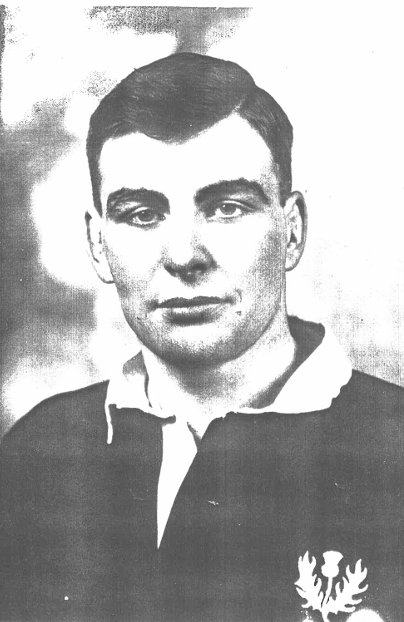
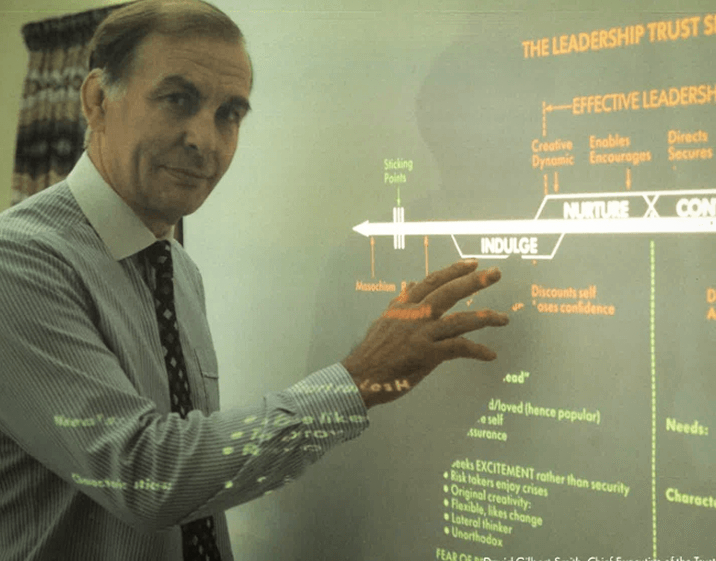
Ex-SAS Major David Gilbert-Smith founds Leadership Trust on a conviction that leadership development should be built on real pressure, self-knowledge and honest feedback - not classroom theory or command and control. Britain is in economic crisis. The need for leaders who can perform under genuine pressure has never been greater.
1976 - The first Leadership in Management programme.
With sponsorship from H.P. Bulmer, the first LM programme launches. Experiential, immersive, built around outdoor challenge and peer feedback. A radical departure from anything else available at the time.
1977- 360 delegates. 114 organisations.
The response is immediate. Organisations recognise something in the approach that conventional training cannot offer. Leadership Trust grows fast.
1978 - Leadership Trust becomes fully independent.
Now operating as a non-profit with its own staff and facilities, Leadership Trust stands on its own.
The 1980s - Building the methodology
1985
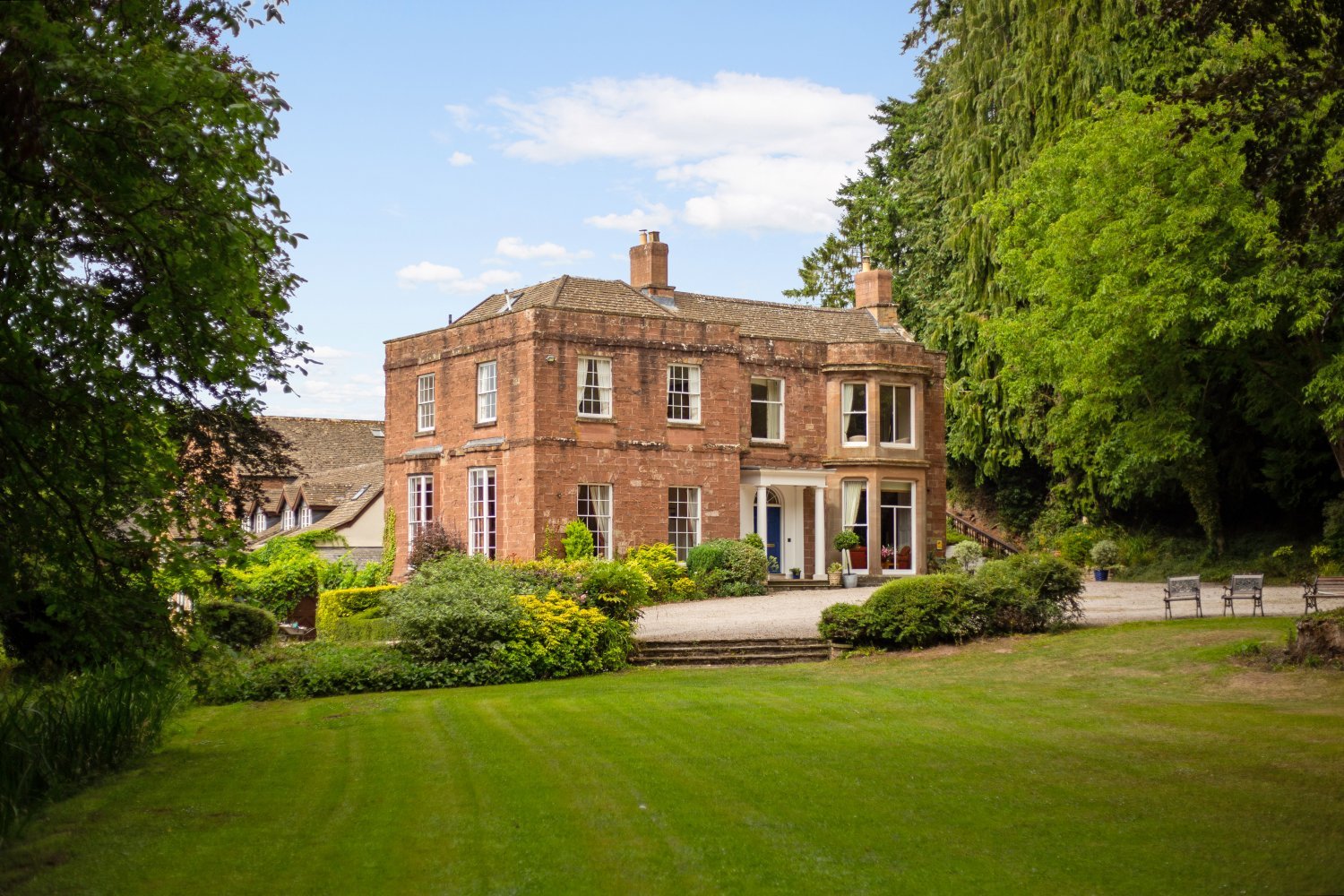
Penyard House becomes the new home.
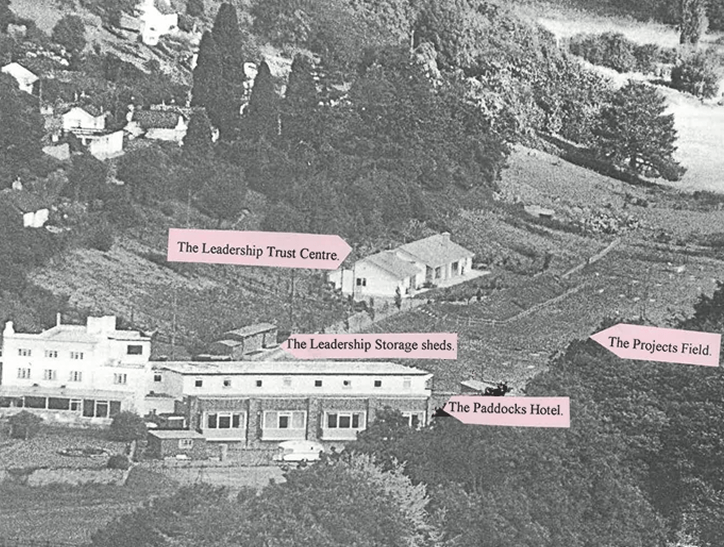
After outgrowing two hotel venues in Herefordshire, Leadership Trust purchases its own residential estate - creating a dedicated environment for development that is removed from the noise of normal working life.
1986
Janet Richardson joins.
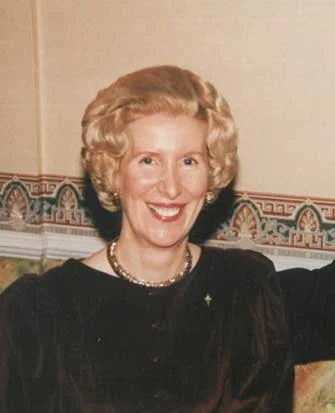
Behavioural psychologist Janet Richardson joins the team and co-develops the Spectrum model with David Gilbert-Smith, whom she later marries. Her psychological depth transforms the methodology - making the programmes more rigorous, more personal and more effective. The combination of military discipline and behavioural science becomes the foundation everything is built on.
1988
Richard Westbury MBE appointed Deputy Chief Executive.
A decorated former SAS officer, Richard brings extensive experience in high-performance leadership to the Trust’s senior team.
1989
HRH The Duke of Edinburgh visits Penyard House.
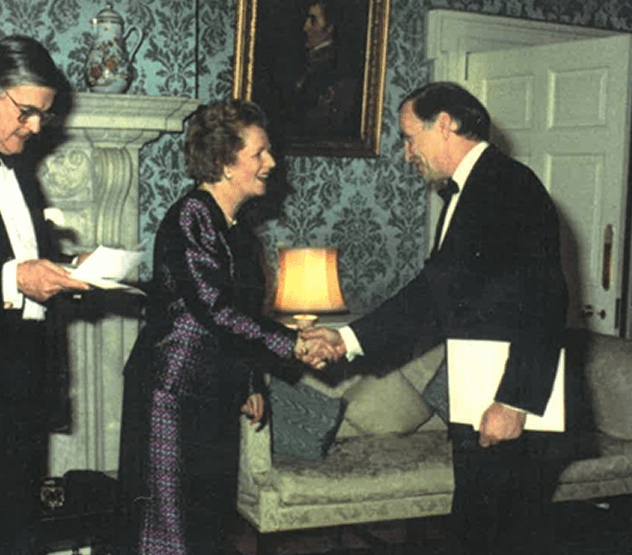
David Gilbert-Smith is also invited to dine at Number 10 with Prime Minister Margaret Thatcher to discuss leadership education in Britain.
The 1990s - Scale and influence.
1992
600+ organisations. 2,000 delegates annually.
International partnerships grow alongside domestic demand. Leadership Trust’s approach resonates across sectors and borders.
1993
David Gilbert-Smith retires as Chief Executive.
He leaves behind a multimillion-pound organisation built on values, not hierarchy. His founding conviction remains intact.
The 2010s - Enduring relevance.
2010
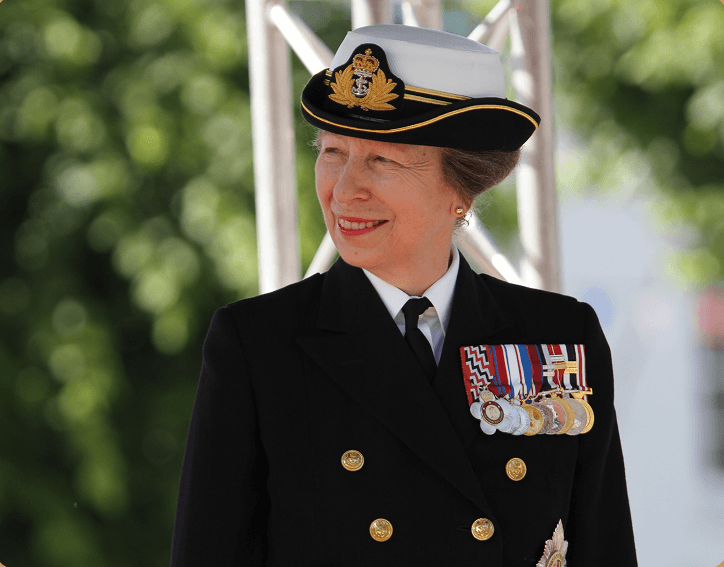
HRH The Princess Royal visits.
A further royal endorsement of Leadership Trust’s continued significance and impact.
2010
A broader programme portfolio.
In response to client demand, Leadership Trust develops a series of residential courses on change, strategy implementation, foundations of leadership and personal impact. Much of the material developed remains the platform for bespoke work today.
2015
Leadership Trust joins the Chelsea Group.
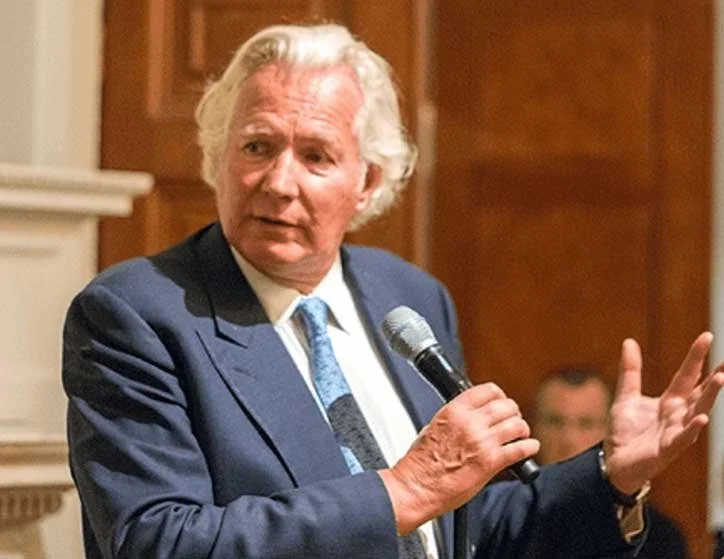
Led by Lord Westbury MBE - who had been Deputy Chief Executive in the late 1980s - the Chelsea Group acquires Leadership Trust. A passionate believer in the life-changing impact of the programmes, Richard ensures the legacy continues and expands globally.
The 2020s - A new chapter.
2020
The pandemic. Programmes in 30+ countries.
Leadership Trust adapts, developing virtual experiential learning that maintains the methodology’s rigour and impact. Programmes continue to run across the world - including, memorably, with a client in a taxi crossing the Nile in Cairo.
2023
Chelsea Parkfields becomes the new home.
A country house in Herefordshire becomes Leadership Trust’s residential base - a natural, private environment built for the kind of leadership work that requires complete removal from the normal working world.
2025
Fifty years. More than 80,000 leaders.
The milestone is a moment to honour the founding idea and look ahead. The context has changed - AI, global uncertainty, the pace of organisational change. The conviction has not. Leadership is only truly learned under real pressure.
“We’re not just revealing people’s potential for transformative leadership.
We’re in the business of changing organisations’ prospects for the better.”
Leadership Trust

The story continues.
If you want to be part of the next chapter - as a leader or an organisation - start with a conversation.
Sinead Daly
Global Business Manger
T: +44 (0)1989 240021
Damian Sherrard
Global Business Manger
T: +44 (0)7968 429912